I found hope in a Reader’s Digest article last week about school shootings, just when I needed it. On the day of the Florida shooting (which was also Valentine’s Day – and Ash Wednesday), our crisis intervention team had gotten a call from a school principal, asking if we could send someone to a staff meeting early the next morning. She was concerned because several teachers were having strong reactions to the Florida incident. I spent part of the morning with the staff. I’m usually fairly calm and confident when I lead interventions, but this was different. I was struggling to stay positive. Hope and optimism were difficult to find. How can things really change, I wondered? The calls for gun control have risen up again, stronger than ever, but there are so many guns in circulation that it’s hard to imagine any new law will have a significant impact (not that I’m opposed to trying).
I fear that it is no more likely that gun control will reduce shootings any more than our efforts to control access to narcotics has reduced addiction. Access to either guns or narcotics does not seem to be the important factor. We also need to look at these problems (and many others) as a societal failure to raise resilient people. Violence and drugs are only appealing when important sources of strength, resistance and resilience are lacking.
At the risk of seeming to agree with the NRA’s political absolutism (I do not), they have a point when they observe that there are other nations with easy access to guns, but people aren’t killing themselves and others as they are here in the United States. Reducing violence by outlawing access to weapons will probably work as well as outlawing narcotics (it hasn’t; addiction is growing, not shrinking).
In nations where narcotics are available over the counter, the rate of addiction is low. The United States used to be one of those countries – until around the turn of the century, narcotics were legal here, often consumed by children and adults, yet few of those people became addicted. In modern times, more than 20 percent of Vietnam vets said they were addicted to heroin, which was easily available there (around 40 percent had tried it), but an overwhelming majority stopped using it – around 95 percent – when they returned home. Similarly, access to guns was even more free in our nation’s early decades than today, but we didn’t have the kind of gun violence of today. Access – to guns or drugs – clearly isn’t the root problem.
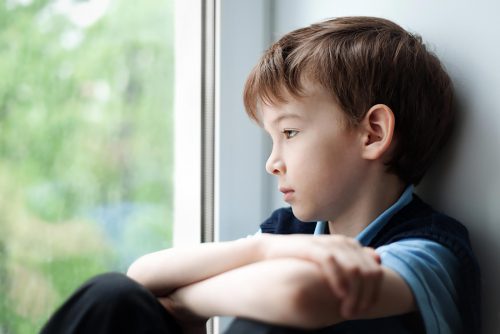
The key factor in addiction is social support, many now argue (for more, read Gabor Mate’s In the Realm of Hungry Ghosts). In other words, disconnected people are more likely to turn to and become hooked on narcotics. Most gun violence is being committed by disconnected people (the stereotypical “loner” or bullied person). My writing research has led me to believe that resilience arises in our social, physical and spiritual relationships. The more I understand how we can become disconnected and what it does to our brains, bodies and spirits, the more signs I see that our culture is deeply disconnected. On Thursday, as I heard the frustrations of the staff of a school in a neighborhood with myriad problems and few resources, it was hard to see what might bring about change. But then I found the article, which a friend had posted on Facebook.
This teacher asks her fifth-graders every Friday to write down the names of four classmates with whom they’d like to sit the following week. They also name one student who they see as an exceptional class citizen. What she does with those slips of paper is simply brilliant.
She looks for patterns.
Who is not getting requested by anyone else?
Who can’t think of anyone to request?
Who never gets noticed enough to be nominated?
Who had a million friends last week and none this week?
She figures out who needs extra attention or coaching, who is a bully and who is bullied. She see who is disconnected from the most crucial source of resilience – social support.
We should be asking why our society is producing an increasing number of people who don’t have effective inhibitions against violence, addiction and other failures of self-regulation. Only when we are realistic (and optimistic) about what we have lost – the connections that make us strong – can we see a path back. Let’s follow the guidance of those who have figured this out. The teacher in this article is one of them.
When did this wise woman begin polling her students? Right after the Columbine school shooting.
Recent Comments